Sustained Participation,
designed for communal life.
Programs don't impact anyone if people drop out. We apply five interlocking neuroscience and behavioral principles tested across a decade of deployment to change this.
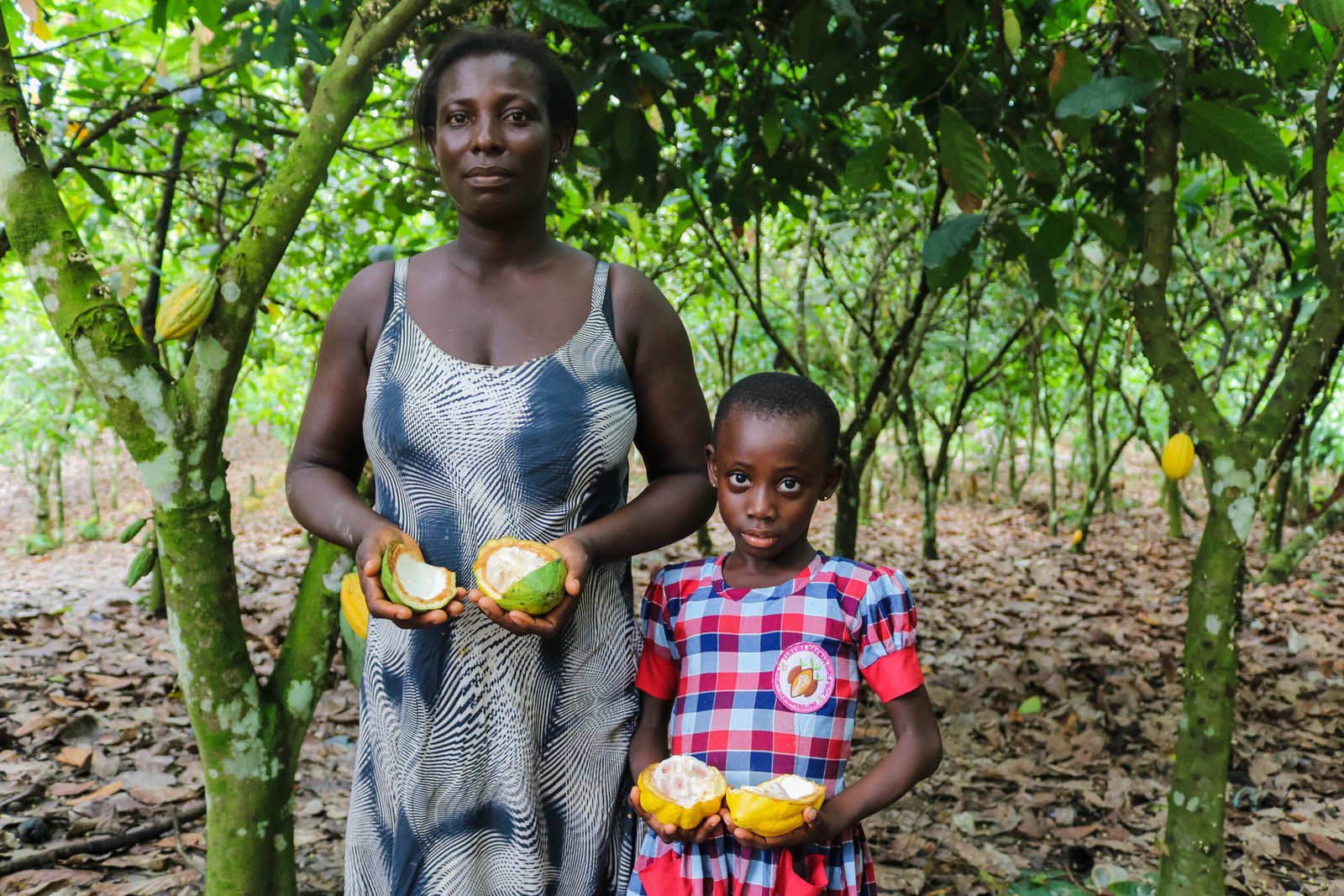
Individual adherence ≠ community adherence.
Five interlocking principles that drive sustained participation.
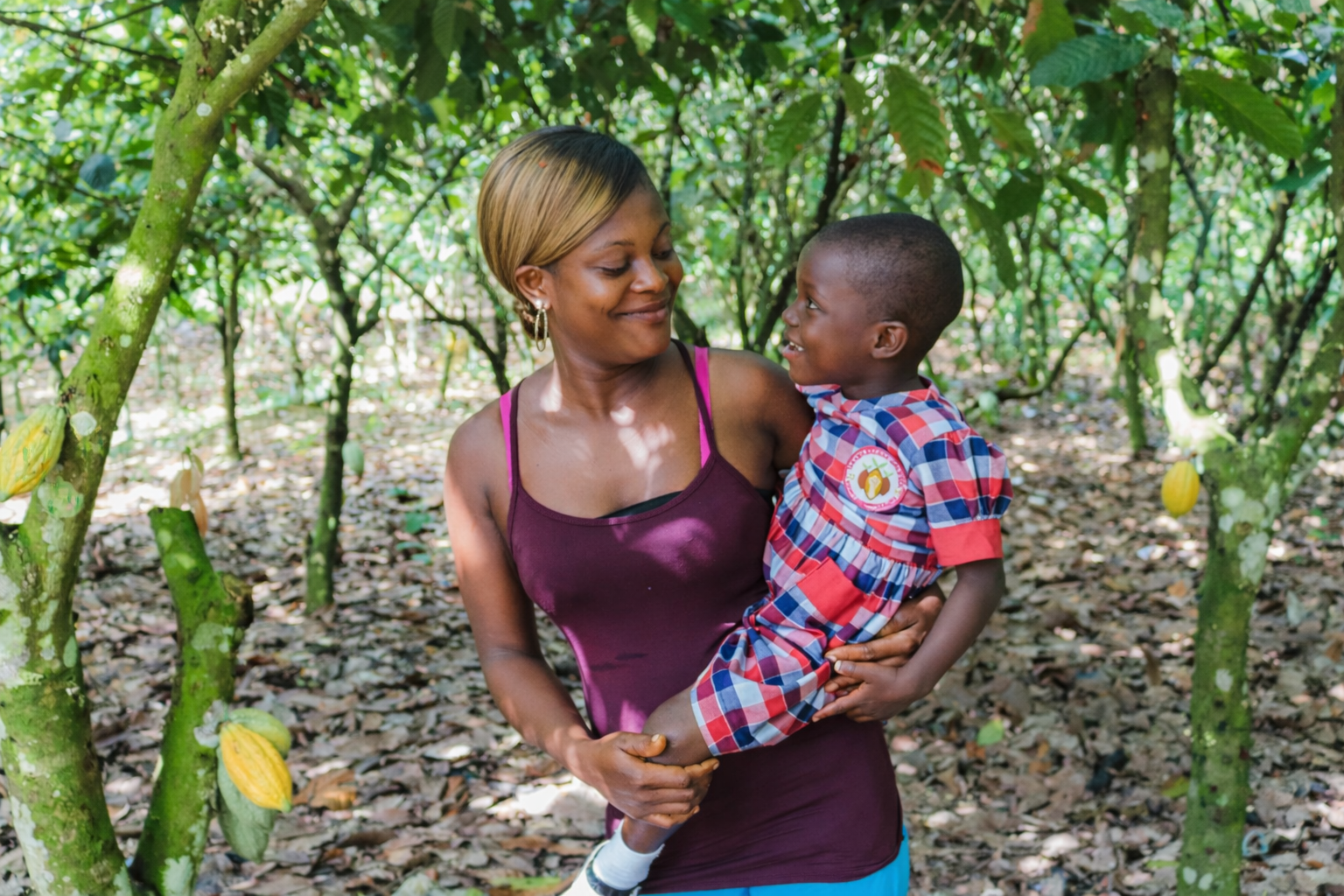
Relationships Are the Strongest Motivator
People work harder for someone they love than for money — especially in communal settings. Social attachment activates the same neural reward circuitry as material gain, making love a stronger behavioral driver than incentive alone.
Insel & Young (2001); Medvedev et al. (2024)
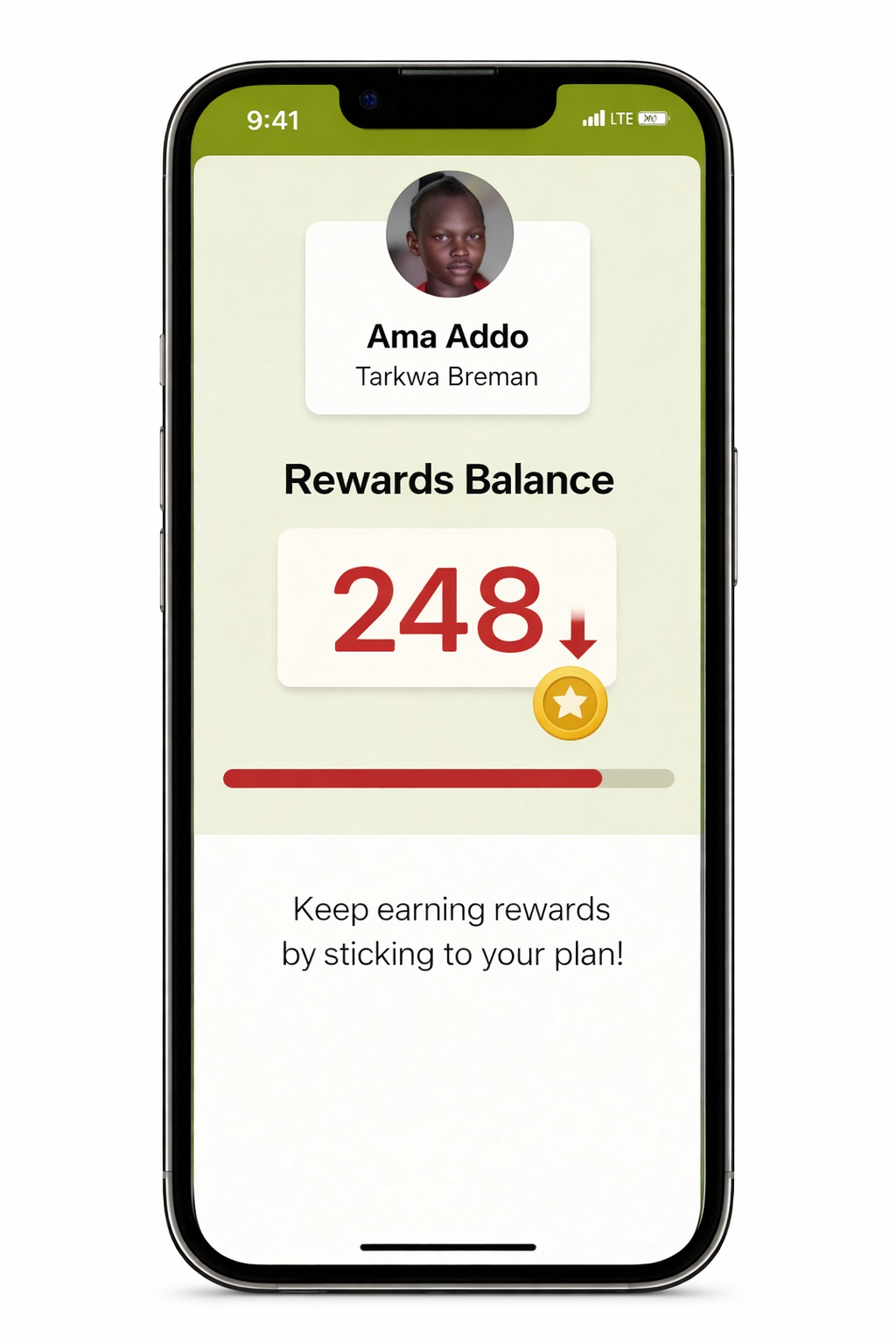
Framing Rewards as Something to Keep, Not Earn
The fear of losing something you already have is twice as motivating as the excitement of gaining a new one.
Kahneman & Tversky (1979); Patel et al. (2016)
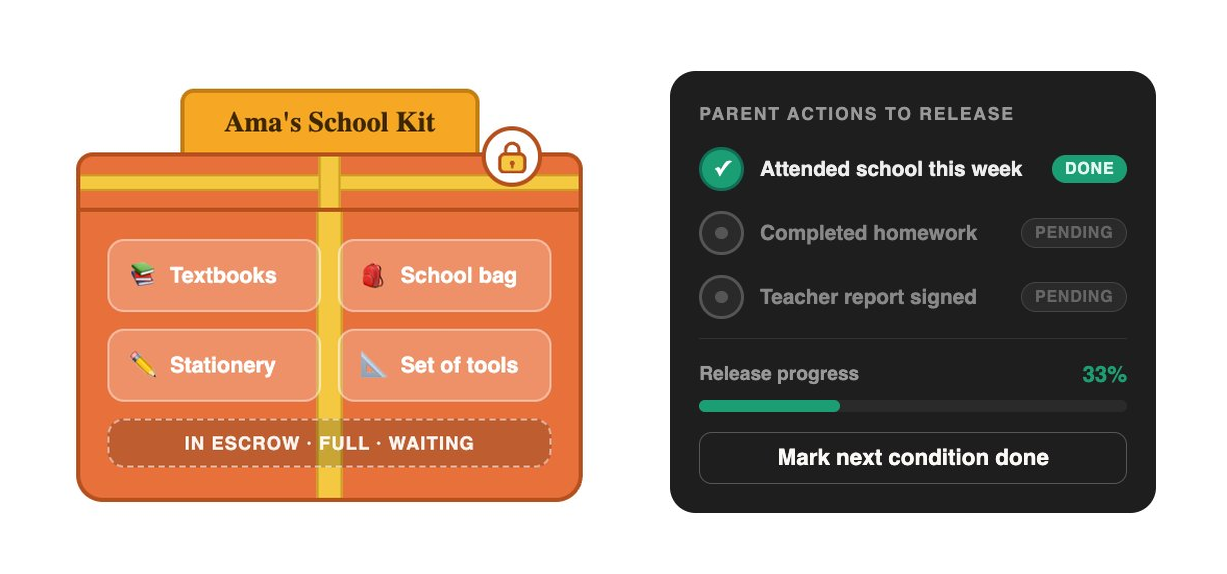
Rewards Begin in Escrow, Not at Zero
Once something feels like yours, you fight harder to keep it than you ever would have to earn it. BrainStay shows families their rewards in escrow before they perform the activity. Behavior unlocks it. Inaction forfeits it.
Thaler (1980)
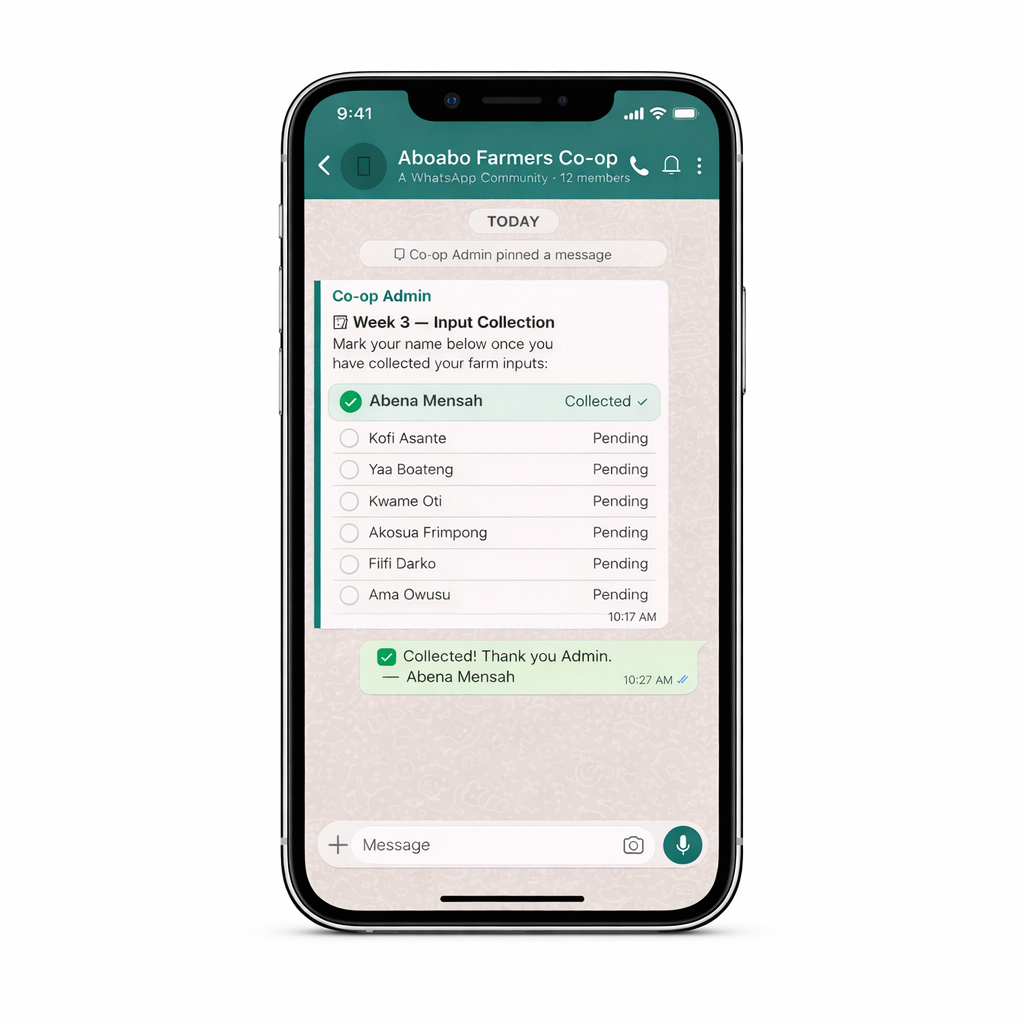
Being Seen as a Good Parent in the Community
When your neighbors can see whether you showed up for your family, their perception becomes a powerful motivator in itself.
Dunbar & Shultz (2007); Tajfel & Turner (1979)
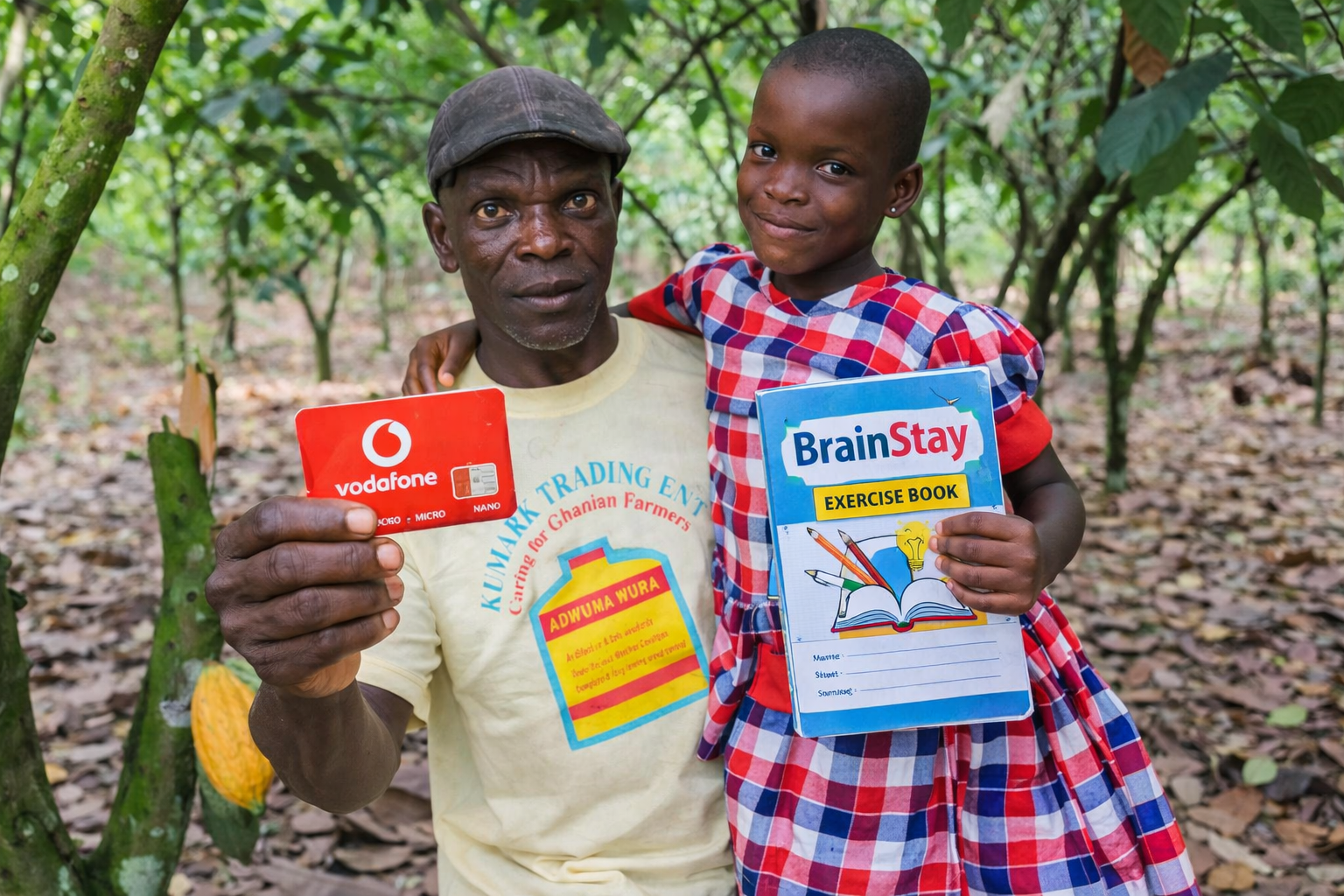
Rewarding Both the Individual and Their Loved One
Rewarding only the individual or only the group doesn't produce lasting behavior change. Rewarding both simultaneously does. A parent's single action keeps airtime for themselves and school supplies for their child. This compounds motivation.
Patel et al. (2016); Thirumurthy, Asch & Volpp (2019)Delivering through local schools
Nothing drives behavior faster than trust. And communities deeply trust their local schools.
School teachers see families regularly — children daily, parents monthly at PTA meetings. We train them as Guides to enroll families on our WhatsApp-based platform and guide them through verification.

See The Research
More evidence categories can be added later.
Losses are psychologically twice as powerful as equivalent gains — the foundational empirical basis for loss-framed incentive design.
In a 7,000-person RCT, loss-framed health incentives significantly outperformed equivalent gain-framed incentives in sustaining behavior change over time.
Social attachment activates the same striatal reward circuitry as material reward — establishing the neurobiological basis for love and belonging as behavioral motivators.
Recent evidence confirms overlapping neural substrates for social and material reward processing, supporting community-embedded behavioral interventions.
People assign significantly higher value to objects they already possess than to identical objects they do not yet own — the endowment effect. Pre-loaded rewards exploit this asymmetry.
Median selling prices for randomly assigned goods were more than twice the buying prices, confirming that ownership itself — not preference — drives elevated valuation.
Social grooming and group cohesion in primates, including humans, are maintained through visibility of prosocial behavior — community witnessing sustains group norms.
Group membership drives behavior through the desire to maintain positive social identity — being seen as a good parent within one's community activates identity-protective motivation.
Combining individual financial stakes with social accountability structures produces stronger and more durable behavior change than either mechanism in isolation.
Financial incentives alone produce limited sustained behavior change after removal; identity-linked and social rewards are required for effects that persist beyond any single incentive cycle.
Community programs delivered through trusted local institutions with pre-existing family relationships achieve significantly higher uptake than standalone health or agricultural outreach programs.
Community-based monitoring through trusted local institutions in Uganda produced significant improvements in health utilization and outcomes — equivalent to doubling health staff.
enrolled in programs. BrainStay fixes that.
